In Conversation with the 2026 Gold Medal finalists
In Conversation with the 2026 Gold Medal finalists
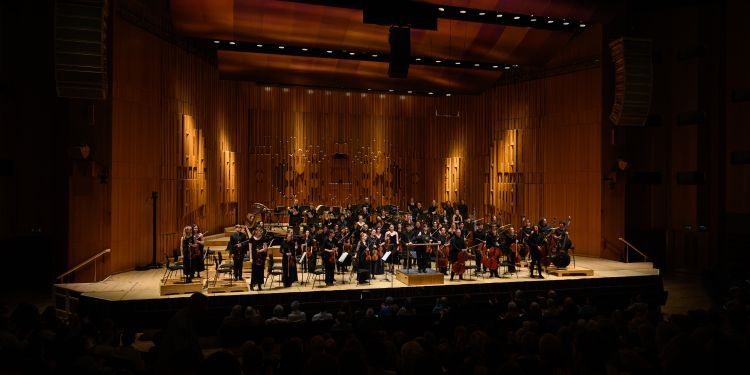
On Thursday 30 April 2026, the final of Guildhall School's most prestigious music prize returns to Barbican Hall.
The evening will feature performances from three outstanding Guildhall instrumentalists, each performing concertos with Guildhall Symphony Orchestra.
In the build up to The Gold Medal 2026 on 30 April, we caught up with this year's finalists Milen Earath (piano), Cyrus Yuen (violin) and Caroline Durham (violin) to hear more about how they felt when they found out they'd been chosen to perform in this year's final and the 'wow' moments to look out for in their chosen pieces.
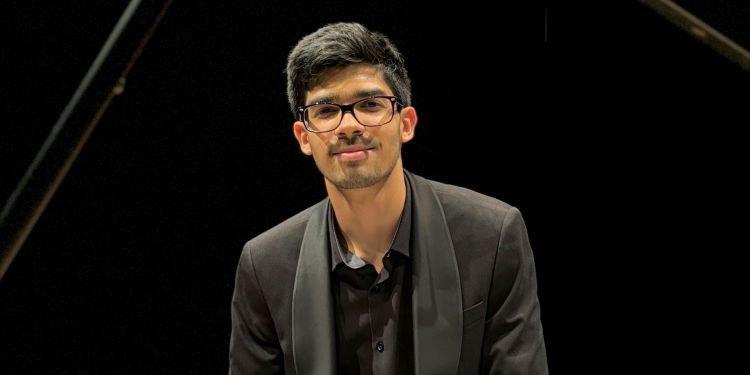
Milen Earath
What was your first reaction when you found out you were going to be performing in this year’s Gold Medal Final?
My first reaction was disbelief. I remember rereading the email with the semi-final results several times just to make sure I hadn’t misunderstood anything. Even now, it feels surreal to think that I’ll be performing in the Gold Medal Final because it has such a long and distinguished history here at the School. Just to be part of it is an enormous privilege.
What’s one piece or moment in your programme that you’re most excited for audiences to hear?
I think it would have to be the last few pages of Prokofiev’s Second Piano Concerto. There’s this moment in the finale, where the music suspends itself and freezes. It’s as if there’s a bright light illuminating everything, like there’s a sudden flash of clarity after a very long turbulent journey of searching and question.
What made you choose Prokofiev's Second Piano Concerto as your piece for the final?
This piece is something that has lived in my imagination and fascinated me for so many years. I’ve been wanting to learn it for a long time, but I kept putting it aside and convincing myself that I wasn’t ready and needed more experience before attempting it. Last year, I realised that it was another of those cases where waiting for the right moment isn’t always the answer, but tackling the challenge head on is. So, this concerto is such a challenge for me both emotionally and musically and it feels like a piece that tells a story that’s quite similar to everybody’s life in a way. It’s all about overcoming something incredibly difficult in life and emerging stronger from it. This resonates with me on a deep level and makes the piece very personal to me.
What's one detail about the piece that audiences might not notice but that you love?
One detail I find particularly moving about this concert is the emotional context behind the piece. Prokofiev composed the piece after the tragic loss of his closest friend and even dedicated the piece to him. There’s a sense of inner questioning and searching throughout the whole piece. Beneath the whole virtuosity there’s a profound emotional landscape which contains sarcasm, irony and struggle but at the same time, lyricism and stillness.
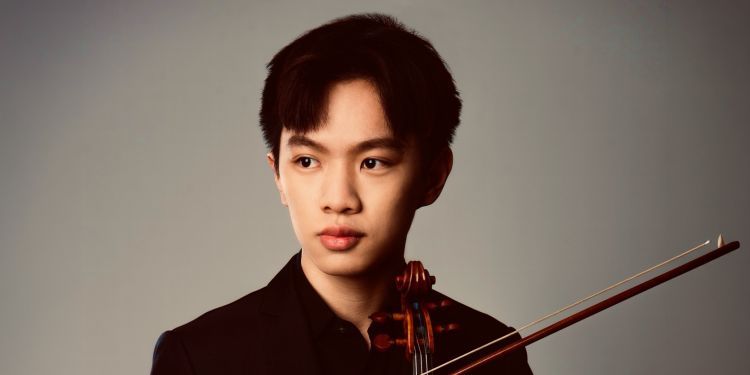
Cyrus Yuen
What was your first reaction when you found out you were going to be performing in this year’s Gold Medal Final?
I was in shock and couldn’t really believe it. It took me a while to process the result but I’m not very excited and really looking forward to it.
What’s one piece or moment in your programme that you’re most excited for audiences to hear?
I think the one moment I’m most excited about would be the cadenza of the concerto (Shostakovich's Violin Concerto No1). It goes from absolutely nothing to this insane build up throughout the cadenza, which then launches straight into the fourth movement Burlesque without pause, which I think is really exciting and exhilarating.
What made you choose Shostakovich's First Violin Concerto as your piece for the final?
I wanted to experience the ‘out of body’ feeling that other solo violinists seem to have when performing this concerto. I think it speaks to some of the deepest human emotions, especially considering the time that Shostakovich composed the piece. During the time there was fear under Stalin’s regime in the Soviet Union, and the piece was only premiered after his death. So, it’s a really deep and meaningful piece for me.
What’s one detail about the piece that audiences might not notice but that you love?
It’s really interesting because Shostakovich has this motif made from his initials: DCSH, which has been translated into notes D, E flat, C and B natural. This comes across everywhere throughout the piece and people might not notice it because it doesn’t necessarily come in the same format and can start from a different note within the same pattern.
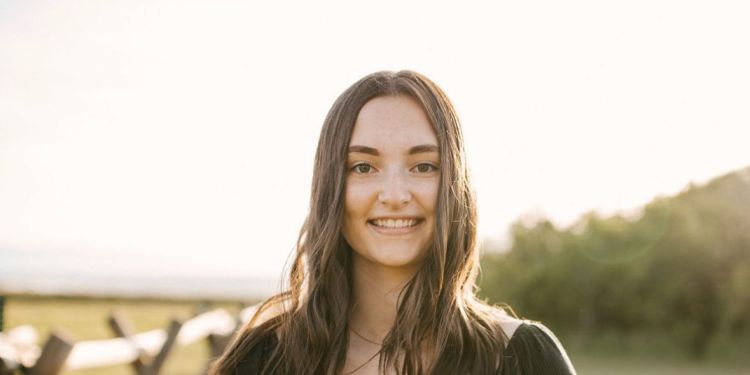
Caroline Durham
What was your first reaction when you found out you were going to be performing in this year’s Gold Medal Final?
I was really excited! I really wanted to get to the Gold Medal Final so it was great to see my name on the list, especially as I’ve never played at Barbican Hall before, so I’m really excited to have that opportunity.
What’s one piece or moment in your programme that you’re most excited for audiences to hear?
I think the first movement cadenza is probably one of my favourite parts of the entire piece (Bartok's Violin Concerto No2). Usually, cadenzas take material from the rest of the concerto, but this feels like its completely new material. It starts with oscillating quarter tones (pitches halfway between the usual notes of a chromatic scale) around a D that’s really creepy and cool, so I’m excited for people to hear that.
What made you choose Bartok's Second Violin Concerto as your piece for the final?
I originally learned this piece after my first year of undergraduate studies. I heard my friend play it and it looked really difficult - I liked the challenge of making myself learn it. The more I played it, the more I fell in love with the piece.
What’s one detail about the piece that audiences might not notice but that you love?
I think some people will notice this, but it has an element of folk music throughout it which I think is really nice. It’s generally thought of as a chaotic piece but there are also moments of beauty throughout it as well.
The Gold Medal 2026
See the full programme and get tickets