Pioneering and comprehensive research study of Domenico Scarlatti’s keyboard sonatas published online
Pioneering and comprehensive research study of Domenico Scarlatti’s keyboard sonatas published online
'Texting Scarlatti: Composition, Reception, Performance' has launched online, offering a pioneering resource for the performance and understanding of Baroque composer Domenico Scarlatti’s life and music. The website is the major output of an extensive and collaborative three-year research project led by Professor Sir Barry Ife CBE, former Principal of Guildhall School of Music & Drama, and supported by Guildhall School, the Leverhulme Trust and Research England. Led by Professor Ife, the Project Team included Dr Jasper van der Klis (Guildhall School), Professor Marco Moiraghi (Conservatorio Statale di Musica "Giuseppe Verdi" Torino) and Dr Luisa Morales (Universitat de Lleida and FIMTE).
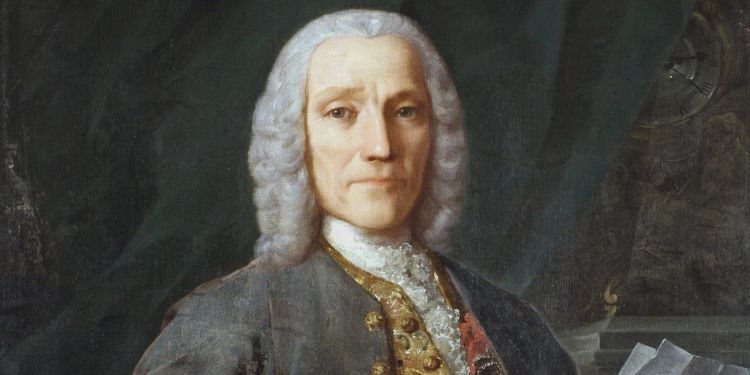
Domenico Scarlatti (1685-1757) was one of the leading figures of eighteenth-century music. He is widely seen as having revolutionised keyboard playing, becoming a central point of reference for many generations of keyboard composers, and his music remains extremely popular with performers and audiences alike. Despite working for nearly forty years in the courts of Portugal and Spain, very little evidence exists about Scarlatti’s personal and professional life there.
The ‘Texting Scarlatti’ project marks the first comprehensive attempt to address this, contextualising the composer’s music by examining all the available eighteenth-century manuscript and printed copies of his 555 keyboard sonatas, and tracking the genesis, reception and performance of these works.
Using a pioneering new model for musicological research – combining traditional textual scholarship with cutting-edge technology and collaborative crowdsourcing methods – the aim of 'Texting Scarlatti’ has been to explore and understand how the music of a man, who apparently led such a quiet life, escaped the confines of the royal music room and was heard and celebrated across Europe
The project team was supported by vital contributions from up to 30 volunteer ‘citizen scientists’ from around the world, many of whom are professional performers and teachers. Collectively, they undertook a detailed bar-by-bar, note-by-note collation of 3300 witnesses – surviving manuscripts and printed copies from Scarlatti’s lifetime – from over 200 collections held in some 50 libraries worldwide. This collation identified nearly 190,000 variants, which have been recorded in both human- and machine-readable form and analysed using phylogenetic software borrowed from the biological sciences. These collations have been published in full on the new ‘Texting Scarlatti’ website, along with detailed accounts of the surviving collections from the eighteenth century.
Professor Sir Barry Ife CBE, Guildhall School, said: “We are extremely grateful to the Leverhulme Trust and Research England for their generous support of this pioneering project, and to Guildhall School for giving it a good home. In the past, such a comprehensive study would have taken a lone scholar half a lifetime. Working collaboratively and largely online, we were able to complete the task in less than three years. The result is a rich repository of data about the reception, transmission and performance of Scarlatti’s music in the eighteenth century. We hope that players of Scarlatti will find inspiration here for their own performances in the twenty-first.”
To explore ‘Texting Scarlatti’ and learn more about the project’s methodology and approach, please visit textingscarlatti.gsmd.ac.uk