
Student Spotlight: Ruby Cotton, MMus Electronic Music Composition Student
Student Spotlight: Ruby Cotton, MMus Electronic Music Composition Student
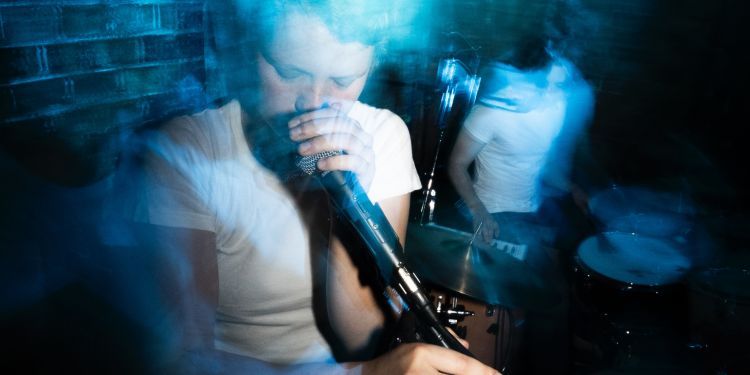
We sat down with Ruby Cotton, an MMus Electronic Music Composition student at Guildhall, to discuss their creative journey, experience on the programme and the projects that have shaped their artistic development.
Can you tell us a little about your background and what led you to apply for the MMus in Electronic Music Composition at Guildhall?
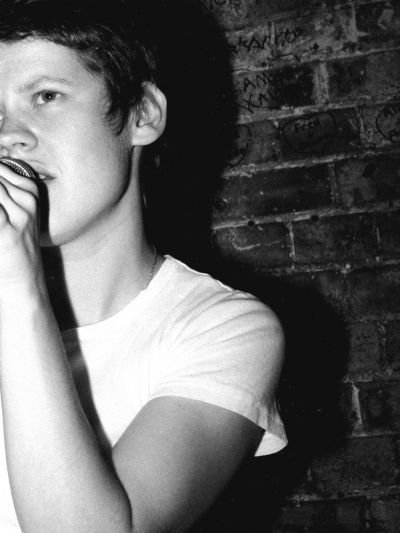
I come from a quiet, agricultural area where there is very little in the way of support for young artists and minimal access to musical training at a professional level. Despite this, my secondary school had great facilities, enabling me to learn how to record and produce sound and begin making music. From there, I became totally absorbed and quickly realised that making music was what I wanted to do more than anything else, despite the many challenges of pursuing a career in the industry.
Thanks to these facilities, I was able to build a portfolio that secured me a place on an undergraduate degree in Music Production. However, due to the pandemic, I was forced to complete much of the course remotely, leaving me feeling disconnected from my studies and with little tangible work to show for the final years of my degree. Seeking a fresh start, I moved to a new city and spent time working as a Music Technology teacher in a primary school. Through teaching, my passion for music was reignited, and I was ready to dedicate myself to it fully once again. After submitting an application to Guildhall along with a short composition in response to a brief set by the School, I was invited to interview and subsequently offered a place on this year's MMA Electronic Music Composition cohort.
How would you describe the Electronic & Produced Music department to someone considering applying?
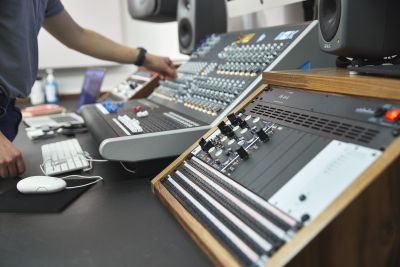
The EPM department is a creative hub that supports producers and composers in a multitude of ways. Students have bookable access to professionally equipped studio spaces seven days a week, as well as numerous rehearsal spaces in the main building and just around the corner in the Barbican John Hosier Annexe.
On top of that, the Guildhall EPM staff are extremely experienced in their fields, each with backgrounds spanning classical, jazz and experimental live performances. This breadth of expertise allows each student to get the absolute most out of their own discipline. There are also many opportunities to collaborate both within the school and externally through weekly group sessions, where project briefs are presented and students can express interest in getting involved with exciting professional projects across film, theatre and many other forms of live performance.
What has surprised you most about your experience on the course so far?
Before starting, I was nervous that my background as a self-taught artist would limit the opportunities available to me on the course. However, I quickly discovered the vast range of experience, training, and skills among my peers. Being part of such a diverse cohort showed me that there is no single path into music, and that passion for your work, a drive to create, and a willingness to develop your craft are equally valuable.
Can you tell us about an exciting project you're currently working on?
I am preparing and rehearsing for my first ever live performance that involves stripping down an electronically produced album using just piano, vocals, and live drums. As part of the project direction for my master's course, the show titled Diorama City will be held in the Milton Court Concert Hall, which is a truly special venue to have a debut live performance. The show is based on a piece of creative writing I submitted for a master’s elective that explores life in the city from above, following four characters (represented symbolically by heads of hair).
Given the size of the venue and the possibilities it brings, I decided to put a lot of thought into the stage design as well as the performance setup. I have hand-built a forward leaning mirror to present a bird’s eye view of the characaters on stage, to the audience while I perform pieces from the album live.
You've worked on projects ranging from experimental performance art to research into analogue tape. How has Guildhall supported your creative curiosity and experimentation?

I have to say that meeting new people across disciplines has been the main catalyst, opening a door to live performance and allowing me to connect with like-minded people who have experience of, or an interest in, working with physical formats outside of a computer or laptop.
Guildhall's close relationship with Royal College of Art has been a key contributor to this. They host 'matchmaking labs' where EPM students can network with visual artists from RCA and choose to collaborate on current or prospective projects together. This has really accelerated my desire to work with artists both within and beyond music. I feel it has enriched my understanding of performance and reinforced the importance of reinventing ideas through another person's contrasting perspective.
How has your confidence as a composer and producer changed since starting the programme?
In my first week of the course, I felt intimidated being in a conservatoire and prestigious environment, but with everything and everyone that is available to you, it feels incredibly validating to be acknowledged and given the tools to discover more about yourself and your art.
I feel sad to be finishing the course, but I am reassured that the confidence I have gained from being here will stay with me and continue to propel me forward in my career as a self-assured professional artist.
Looking ahead, what are your ambitions after graduating?
In terms of ambition, my field of view has drastically broadened since being at Guildhall. My childhood dreams of producing for other musicians while developing my own solo artist career remain central to my ambitions. Alongside that, composition for visual art, film and performance art, as well as working in collaborative environments that generate meaningful creative outputs, has become a major focus for me moving forward.
How has the MMus prepared you for a career in the music industry?
The MMus has facilitated a level of collaboration not just through creating, but through conversation, that I have never experienced in any other educational setting. Being able to articulate yourself as an artist is an essential skill if you want to establish yourself within the industry, and I feel prepared, both technically and professionally, to step confidently into that next stage of my career.
Finally, in one sentence, why should someone choose Guildhall for Electronic & Produced Music?
With Guildhall's reputation across both classical and experimental disciplines, this is the place to reinvent modern music - so don't doubt that you can be part of it.

