This is London coming to the Barbican
In conversation with This is London composers
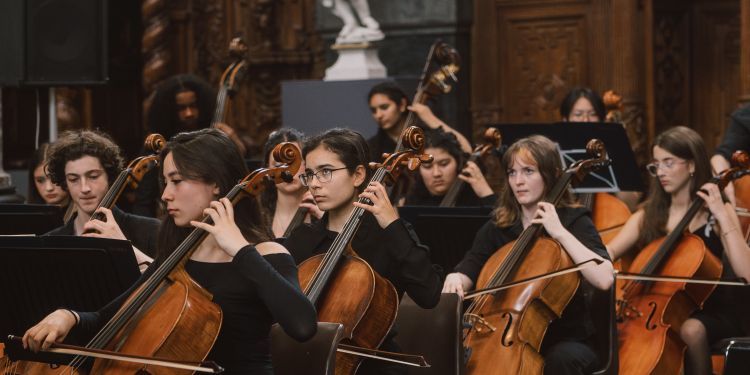
On 12 January 2026, the London Schools Symphony Orchestra (LSSO) will premiere This is London, a dynamic new work that captures the essence of the city through music.
Commissioned by LSSO, the piece is a collaboration between four, young talented composers, each of Trinity Laban Conservatoire of Music and Dance, the Royal Academy of Music, the Royal College of Music and Guildhall School of Music & Drama. Each composer has created a movement inspired by a different corner of London, weaving together a rich and authentic portrait of the capital. This is London will make its highly anticipated debut at the Barbican Hall in January – you don’t want to miss it. Buy your tickets here.
In the lead up to the performance, we spoke to some of the composers (Connie Harris, Surge, Jack Smith, Grassroots Generator, CJ Brooke, Tower Hamlets Cemetery Park in Nine Fleeting Moments, Pablo Martinez, I See Freedom Across the Pond) about the London stories that inspired them, the challenges they faced and the thrill of writing for LSSO.
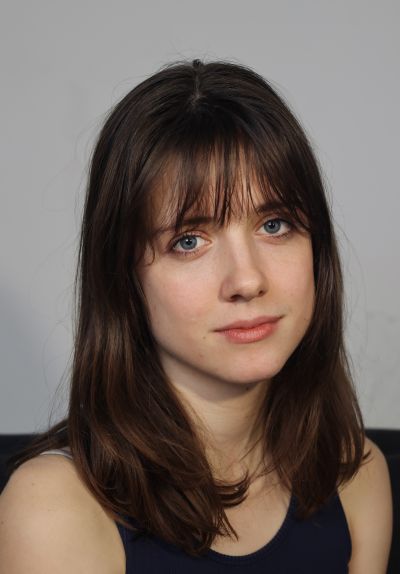
Surge addresses the important topic of climate change in London. What inspired you to compose this piece?
Connie - Surge’s concept is particularly close to my heart. The concept had been brewing in my head for a few years and I was waiting for the right time to start composing it properly. I live next to the small village of Happisburgh where the rising water levels are eroding the cliffs and causing the village to slowly fall into the sea. The sense of helplessness becomes very strong when it happens right on your doorstep and when it directly affects the people around you.
Rising water levels are of course not just a problem for the people of Happisburgh - they are incredibly relevant to Londoners too. The very real threat of flooding and the need for improvements to the Thames Barrier and defence systems are part of this unfortunate reality. The water level acts as a wider indicator of the environment’s condition, for which we all feel a collective responsibility and anxiety.
What were some of the challenges you faced with this project?
Connie - It is very easy to get carried away when writing for this many players and over-write and lose the sense of balance and shape.
Another challenge was sticking to the six-minute duration. I felt as though I could have easily produced a much longer work (and I would like to develop this at some point), but it meant that at times I had to be more ruthless and cut major ideas to avoid oversaturating the music.

Tell us about your experience of working with the LSSO
Connie - Being able to work so closely with such a talented ensemble and benefit from Matthew Lynch’s insight has been a privilege. My whole experience so far with the LSSO has been brilliant.
I can’t wait to perform with the LSSO in the January concert at the Barbican, and I feel lucky that I’ll be sharing the stage with such incredible musicians.
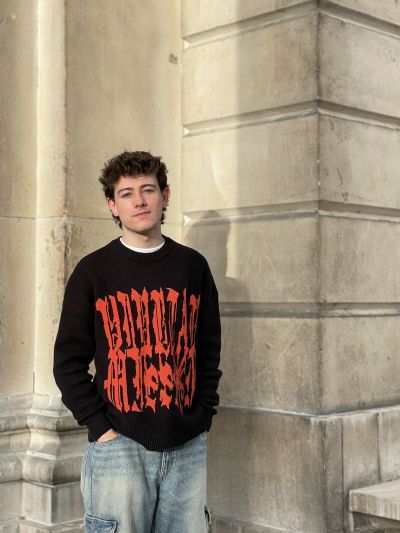
Can you talk a bit about the title of your piece, Grassroots Generator . Why are grassroots venues important for London?
Jack - I think there’s a mountain of reasons why these small venues feel so special. Not only do they act as an entry point for young, fresh talent, but they also protect local identity against algorithmic sameness. They act as a safe space for people who don’t feel represented elsewhere and for niche subcultures of music and communities to gather and share music, which is so valuable for young people who more isolated today than ever. I have been lucky enough to grow up going to concerts in small, grassroots venues and, living in London today, visiting them for mine or my friends' gigs is a regular and important part of my musical life, as I’m sure it is for many young musicians.
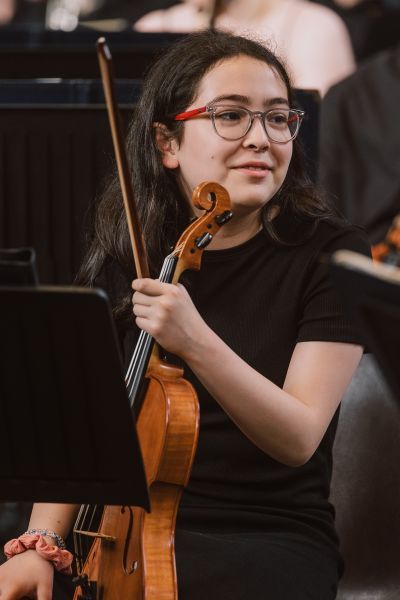
What did you enjoy most about composing this work?
Jack - This piece was so exciting to write as I had such a large force of musicians to work with alongside the electronics. Taking slices of my favourite sounds from the multitude of genres I hear performed in small, grassroots venues and translating them into orchestral language was challenging but rewarding. I felt like I could be so greedy in taking different elements from lots of different types of music, to jumble them all together and see what came out of it!
How did it feel knowing your work would be performed by the LSSO?
Jack - It felt like an absolute honour to think that I’d be able to work with a group of young musicians that are so eager and committed to all the music they perform. I felt like each musical part I wrote would really be invested in by the player who performs it, as if they were telling a story or embodying a character in a play.
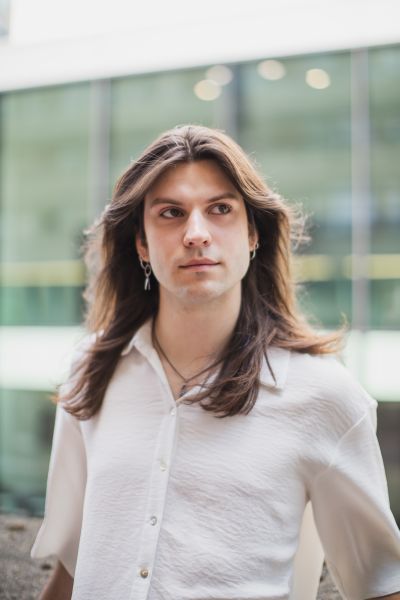
Your piece is titled Tower Hamlets Cemetery Park in 9 fleeting moments; what do these moments represent?
CJ - The 9 fleeting moments are transcriptions of little snippets of field recordings that I took in the park, ranging anywhere from 10-90 seconds long – they’re all quite short! The idea came about while chatting with a friend about the piece over coffee; it felt like a good way to go from these big extended blocks of material (over 1 hours’ worth of field recordings) to just 6 minutes of music.
They’re each titled after something that happens in the movement, like a train passing by or a trio of magpies arguing with each other. Often times the title is quite obvious, but sometimes they’re a little more subtle and hidden amongst the rest of the sounds.
What first drew you to the Tower Hamlets Cemetery Park and how does it feel representative of London today?
CJ - Having grown up in Norfolk, I’ve found London to be quite the contrast, and at times it’s been difficult to maintain a relationship with nature like I do when I’m at home. Living just across from Tower Hamlets Cemetery Park provided an opportunity for me to rekindle this relationship, and as I visited the park more often, I began to appreciate details of its rich heritage, the wildlife it houses, and of course, its soundscape.
The park is surrounded by trainlines, the A11, London City airport 3 miles to the east, and general East London bustle. The soundscape that results is this vibrant mixture of sounds from both the wildlife and the park’s urban surroundings. To me this coexistence felt really poignant, as I feel strongly that we must find ways to connect with nature in our everyday lives, even while living in the city.
I think access to green spaces whilst living in urban places is extremely important, especially for people growing up in London, and the reality is, it’s one of London’s strengths when you look at cities around the world! But it can always be more, and in my opinion, we need many more places like Tower Hamlets Cemetery Park where wildlife can truly thrive alongside us in an urban setting.
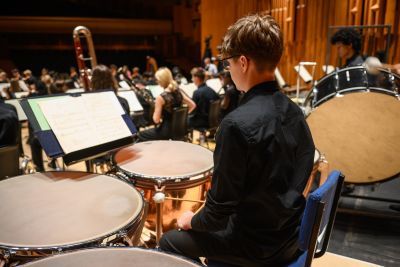
What do you hope LSSO take away from performing your work?
CJ - For the orchestra, my piece is all about engaging creatively with the sounds of the park through their instruments. In their parts they have QR codes that link to all the different sounds they’re asked to play, and they’re encouraged to use their own intuition and creativity in replicating many of these sounds. My hope is that in doing this the players might get to learn a bit more about the sounds of the park and creatures that inhabit it, but also about their own relationship with their instrument and technique.
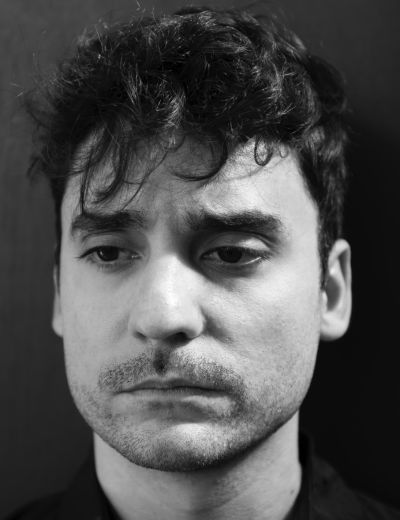
I See Freedom Across the Pond immediately introduces the theme of immigration. How has your own experience of immigration helped bring this piece to life?
Pablo - While writing this piece, I reflected on the reasons why I, and so many others, choose to migrate in search of a better life. My own experience of migrating from Brazil at a young age, often with very little support, brought significant challenges; many of which are shared by immigrants across the world. Those experiences required resilience, adaptability, and perseverance, and it is that sense of resilience that I aimed to explore musically.
I was particularly drawn to reflecting on how learning a new language and navigating a different culture defined me as an adult. These processes of adjustment, growth, and self-discovery deeply informed the emotional journey of the piece and helped bring it to life.
What helped you define the immigrant experience in London through music?
Pablo - I am deeply inspired by London’s cultural diversity. Every time I step outside my home, I encounter the multicultural neighbourhood of Harlesden, where I am based. Experiencing this environment on a daily basis has strongly influenced the way I think about the immigrant experience.
I find it fascinating how people from many different parts of the world have settled there and, over time, have both integrated into and influenced British culture. Harlesden feels like a hub of hardworking individuals who are actively building their lives in this country. I often reflect on how these communities are now an integral part of British culture, continuously contributing to and redefining what it means to be British today.
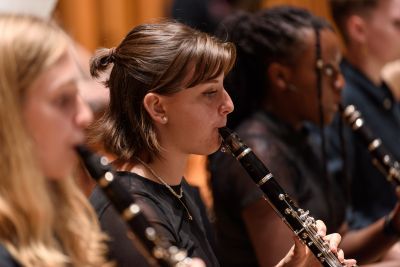
Did you have young musicians in mind as you were composing?
Watch London Schools Symphony Orchestra perform This is London on Monday 12 January 2026 at Barbican Hall. Find out more and book tickets.
See Aaron Azunda Akugbo perform with the LSSO
Book your tickets now